How Dust and Allergens Build Up in Window Treatments
Local contractors specializing in dust and allergen window treatment cleaning can help remove buildup and improve indoor air quality effectively.
Understanding how dust and allergens build up in window treatments is a common concern for property owners looking to maintain a clean and healthy living or working environment. Over time, these particles can accumulate silently, especially in areas with high traffic or open windows, leading to potential issues for allergy sufferers or those sensitive to airborne irritants. Exploring this topic can help property owners identify effective ways to keep their window treatments clean and improve indoor air quality, making it a practical consideration for homes and businesses alike.
Fortunately, local contractors specializing in dust and allergen window treatment cleaning offer services tailored to address these concerns. Regular professional cleaning can reduce the buildup of dust, pollen, pet dander, and other allergens, contributing to a fresher, healthier space. By understanding how these particles accumulate, property owners can better appreciate the benefits of expert cleaning and maintenance, ensuring their window treatments stay clean and free from allergens. Keep reading to discover more about how local service providers can help keep your space healthier and more comfortable.
- Dust and allergen window treatment cleaning - is often needed when homeowners notice increased allergy symptoms and want to reduce airborne irritants trapped in window coverings, with local contractors using specialized tools to thoroughly remove dust buildup.
- Dust and allergen window treatment cleaning - may be required after seasons of heavy pollen or pet dander accumulation, as local service providers can safely clean fabric or blinds to improve indoor air quality.
- Dust and allergen window treatment cleaning - is recommended when window treatments appear dusty or stained, helping local pros eliminate allergens that can worsen asthma or allergy symptoms.
- Dust and allergen window treatment cleaning - is useful for those who notice a musty smell or visible dust on curtains and blinds, with local contractors employing effective cleaning methods to refresh window coverings.
- Dust and allergen window treatment cleaning - can be beneficial after renovations or construction projects, as local service providers can remove fine dust particles trapped in window treatments to maintain a healthier indoor environment.


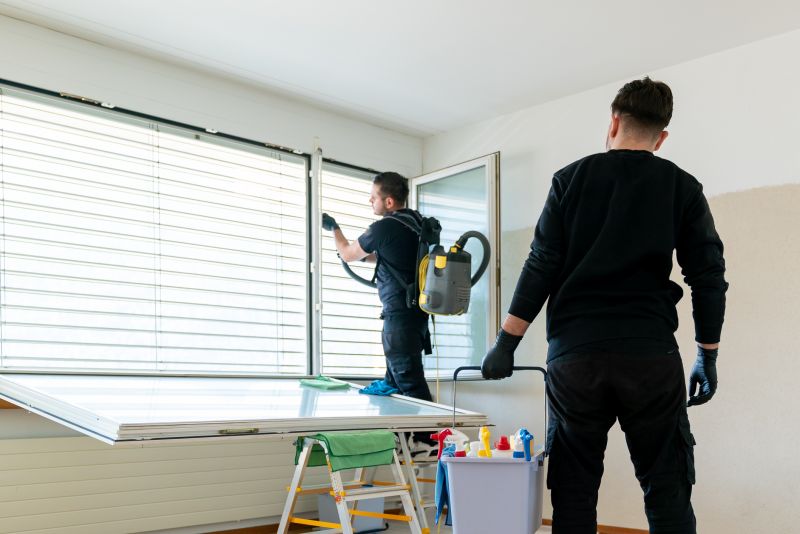
When people search for information about how dust and allergens build up in window treatments, they are often concerned about indoor air quality and the cleanliness of their living spaces. Over time, window coverings such as blinds, shades, drapes, and shutters can accumulate dust, pet dander, pollen, and other airborne particles. This buildup not only makes the treatments look dull and dirty but can also contribute to respiratory issues, allergies, and asthma symptoms for residents. Homeowners may be interested in understanding how these particles settle on and embed into different types of window treatments, especially if they notice increased sneezing, congestion, or irritation in their homes.
This topic relates to common household problems like persistent dust in the home, allergy flare-ups, and difficulty maintaining a clean environment. Many property owners consider routine cleaning or deep cleaning of window treatments as part of their overall home maintenance plan. They might also be exploring options for more thorough cleaning methods or seeking professional services to ensure their treatments are properly cleaned without damage. For those with allergy sensitivities or respiratory concerns, addressing dust and allergen buildup becomes a priority, prompting a search for specialists who can effectively remove these particles and improve indoor air quality.
The types of properties where this issue frequently arises include both residential and commercial spaces. Homes with larger windows, multiple window coverings, or older treatments tend to see more dust accumulation over time. Apartments, condos, and single-family houses are common examples, especially in areas with high pollen or dust levels. Commercial properties such as offices, clinics, or hospitality spaces also feature window treatments that require regular cleaning to maintain a healthy environment. These properties often have a variety of window coverings, from fabric curtains to metal blinds, each with different needs for dust and allergen removal.
Professional dust and allergen window treatment cleaning services play a key role in maintaining clean, healthy environments. Local contractors specializing in this work can assess the specific types of window coverings and recommend appropriate cleaning methods. They use specialized tools and techniques to safely remove built-up dust, pet dander, and pollen, ensuring treatments look their best and contribute to better indoor air quality. For homeowners and property managers, connecting with experienced service providers makes it easier to incorporate effective cleaning into their regular maintenance routines, helping to create a cleaner, healthier living or working space.
HVAC Duct Cleaning - professionals in this area understand how dust and allergens circulate and settle in indoor environments, similar to buildup in window treatments, and can help improve overall air quality.
Upholstery Cleaning Services - these service providers are skilled in removing dust, dirt, and allergens from fabrics, which relates to cleaning dust accumulation on fabric window coverings and drapes.
Air Purifier Installation - experts in this field can help reduce airborne allergens that contribute to buildup in window treatments, supporting healthier indoor air.
Carpet and Floor Cleaning - local contractors specializing in this work are experienced in eliminating dust and allergens that often settle on or beneath window treatments near floors.
Blinds and Shutter Repair - technicians who repair or replace window covering hardware are familiar with cleaning techniques that prevent dust buildup in various window treatments.
Home Inspection Services - inspectors assess indoor air quality and dust sources, providing insights into how dust and allergens accumulate in window treatments and surrounding areas.
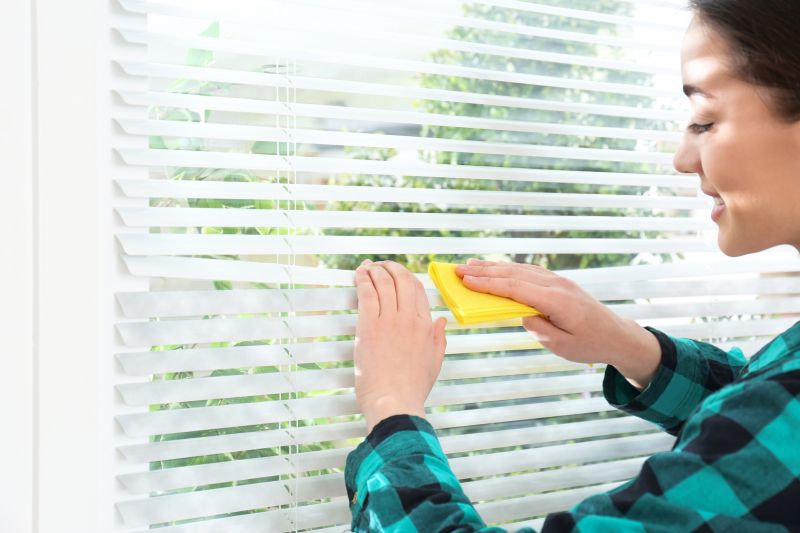
When evaluating local contractors for dust and allergen window treatment cleaning, it is important to consider their experience with similar projects. A provider with a history of working on window treatments like curtains, blinds, or shades can offer insights into effective cleaning methods and help ensure thorough removal of dust and allergens. Asking about their past work or requesting references can provide a clearer picture of their familiarity with the specific challenges associated with building up of dust and allergens in window treatments. This experience can contribute to more effective cleaning results and help maintain a healthier indoor environment.
Clear written expectations are essential when comparing service providers for dust and allergen window treatment cleaning. It’s beneficial to understand what the service includes, such as dust removal, allergen reduction, and whether any treatments or protective measures are part of the package. A detailed description of the process helps set realistic expectations and ensures that the chosen contractor’s approach aligns with the homeowner’s needs. Additionally, understanding what is not included can prevent misunderstandings and help identify the most comprehensive and suitable service options.
Reputable references and good communication are key factors when selecting local contractors for this type of work. Reliable service providers should be able to furnish references or testimonials that speak to their professionalism and quality of service. Good communication, including prompt responses and clear explanations, ensures that homeowners can ask questions and receive information in a straightforward manner. These qualities help build confidence that the contractor will be attentive to specific concerns about dust and allergens, ultimately contributing to a smoother, more satisfactory experience in maintaining cleaner window treatments.
Property owners often search for how dust and allergens build up in window treatments when they are planning practical projects around their homes and businesses. Local pros provide Dust and Allergen Window Treatment Cleaning services for everyday jobs and straightforward project options.
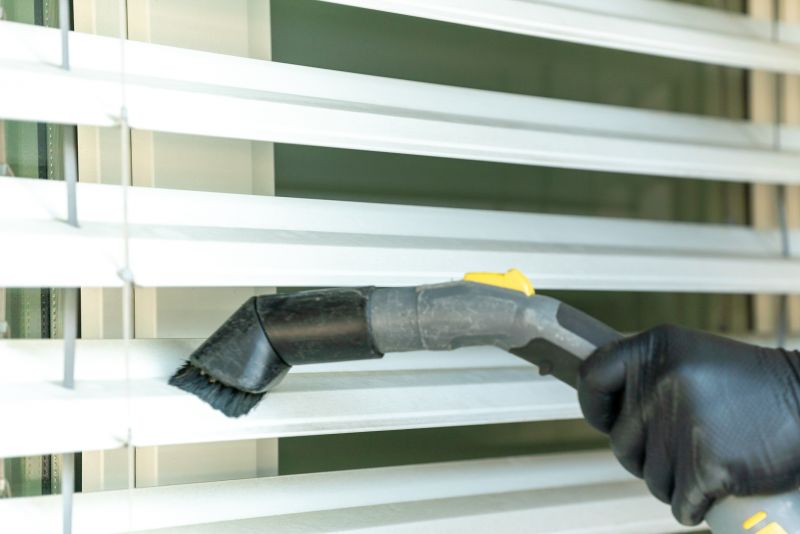

Dust and allergens tend to accumulate in window treatments over time, especially in homes where windows are frequently opened or where air quality is affected by indoor activities. Fabric curtains, blinds, and shades can trap particles from everyday life, including pollen, pet dander, and dust mites, making them a common source of indoor allergens. Regular exposure to these build-ups can contribute to allergy symptoms or respiratory discomfort, prompting property owners to seek professional cleaning services to maintain a healthier living environment.
For property owners noticing increased dust or allergy-related issues, enlisting the help of local contractors who specialize in window treatment cleaning can be an effective solution. These service providers have the tools and expertise to thoroughly remove dust and allergens from various types of window coverings, helping to improve indoor air quality. Connecting with experienced local pros can simplify the process of keeping window treatments clean and allergen-free, supporting a healthier and more comfortable home.
How do dust and allergens build up in window treatments? Dust and allergens settle on window treatments over time due to everyday air circulation, household activities, and outdoor pollution entering through open windows, leading to accumulation on fabric, blinds, or shades.
Why are window treatments prone to dust and allergen buildup? Window treatments have many surfaces that trap dust and allergens, especially fabrics and textured materials, making them more susceptible to buildup compared to other home surfaces.
How can local contractors help remove dust and allergens from window treatments? Local service providers offer specialized cleaning methods, such as deep vacuuming, dusting, and professional cleaning techniques, to effectively reduce dust and allergen buildup in window treatments.
What types of window treatments are most affected by dust and allergens? Fabric curtains, drapes, and textured blinds tend to accumulate more dust and allergens, but all types of window treatments can harbor these particles if not regularly cleaned.
How often should window treatments be cleaned to prevent dust and allergen buildup? Regular cleaning, typically every few months, helps prevent excessive dust and allergen accumulation, especially in homes with allergy sufferers or pets, with local pros providing tailored cleaning schedules.
Identify areas prone to dust accumulation - property owners can evaluate window treatments in high-traffic or often-opened rooms to prioritize cleaning with local contractors.
Implement regular dust removal routines - scheduling routine dusting and vacuuming can help reduce allergen buildup, with local pros providing expert cleaning services.
Choose washable or easy-to-clean window treatments - selecting treatments that can be washed or easily cleaned allows property owners to maintain lower allergen levels regularly.
Schedule professional cleaning services periodically - periodic deep cleaning from local contractors ensures dust and allergens are thoroughly removed from window treatments.
If you are thinking about how dust and allergens build up in window treatments for a property, this guide is meant to help you understand this topic, the typical project types, and how different options might fit your plans.
When you are ready, you can use the quote form on this page to share a few details about your project. From there, local pros can review the basics and follow up with options that match what you have in mind.